


Complete Guide to Importing China Paper Napkins in United States
For US-based businesses in the hospitality, catering, and retail sectors, sourcing high-quality, cost-effective paper napkins is essential for maintaining margins. China remains the world’s leading manufacturer of paper products, offering unparalleled scale and customization. However, navigating the complexities of international trade, tariffs, and US regulations requires a strategic approach.
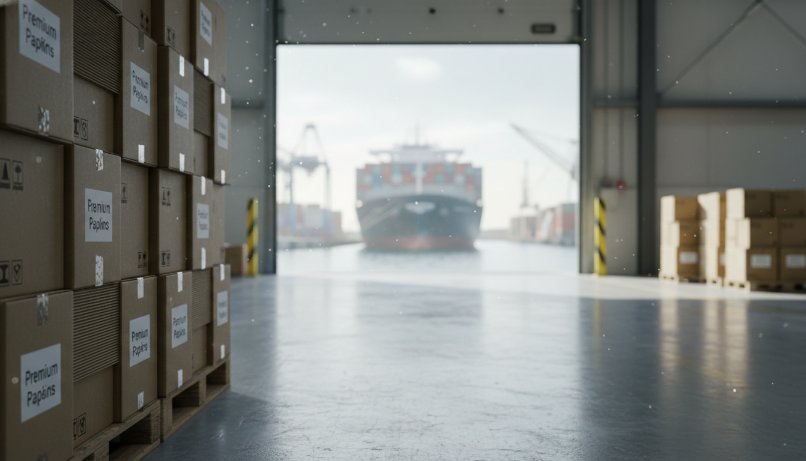
Direct Answer: How to Source and Import Paper Napkins from China to the US
Sourcing paper napkins from China involves a four-step process: identifying a reputable manufacturer, verifying product compliance, managing logistics, and clearing US Customs. Most buyers use platforms like Alibaba or Global Sources to find suppliers, but the most successful importers often work with direct factories in provinces like Guangdong or Zhejiang. To ensure success, you must request physical samples and verify that the factory can produce US-standard sizes (e.g., 6.5" x 6.5" folded) and ply-counts (1-ply, 2-ply, or 3-ply).
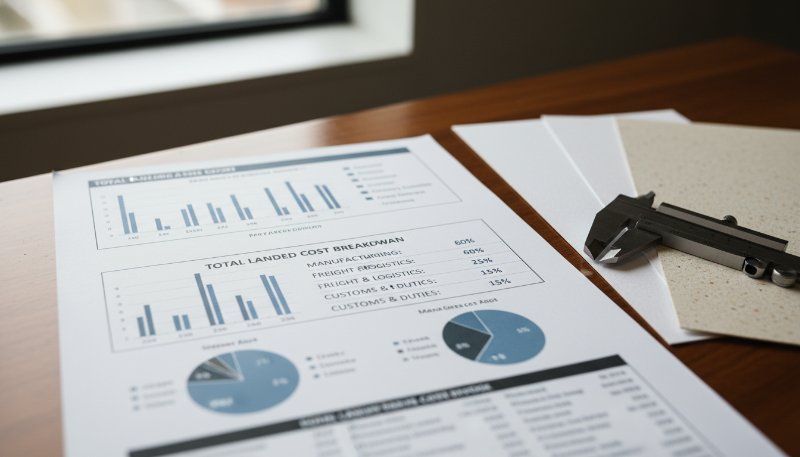
Cost Analysis: Manufacturing, Landed Costs, and Tariffs
The unit price of a napkin in China is often significantly lower than domestic US production. However, the ‘Landed Cost‘ (the total cost of a product once it has arrived at your doorstep) includes several variables that must be calculated upfront.
Understanding Section 301 Tariffs and HTS Codes for Paper Goods
Paper napkins generally fall under HTS Code 4818.30.00. It is critical to be aware of Section 301 tariffs. Depending on current trade policies, paper goods from China may be subject to additional duties beyond the base rate. Always consult with a licensed US Customs Broker to determine the exact percentage applicable to your shipment.
Hidden Logistics Costs: Freight, Customs, and Warehousing
Beyond the factory price, you must budget for ocean freight, marine insurance, terminal handling charges (THC), and domestic trucking from the US port to your warehouse. Small errors in documentation can lead to ‘demurrage‘ fees, which are daily charges for containers sitting at the port.
Quality Control and US Local Certifications
Quality is non-negotiable for the US market. Napkins are categorized as food-contact materials, meaning they must meet specific safety standards.
FDA Compliance for Food-Grade Napkins
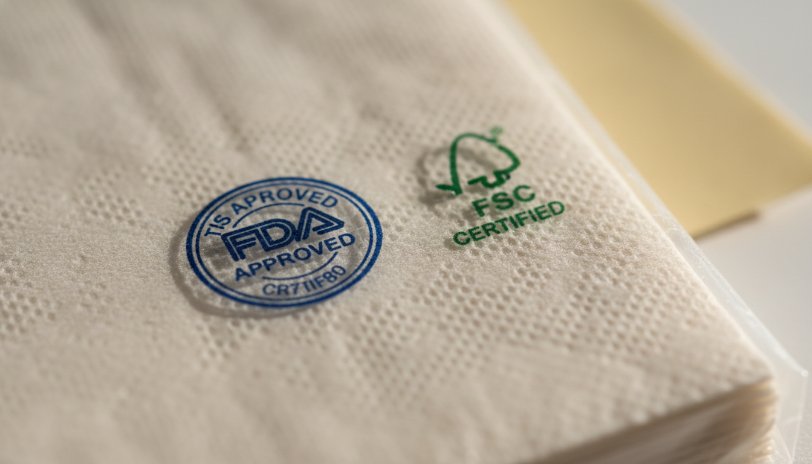
While napkins aren‘t consumed, they touch food and mouths. The FDA regulates the chemicals and dyes used in paper products. Ensure your Chinese supplier uses non-toxic, food-grade inks for any custom printing and can provide a Declaration of Compliance (DoC).
FSC Certification and Sustainability Standards
The US market increasingly demands eco-friendly options. Sourcing napkins with FSC (Forest Stewardship Council) certification ensures the paper comes from responsibly managed forests. This is a major selling point for B2B clients like high-end restaurants and organic grocers.
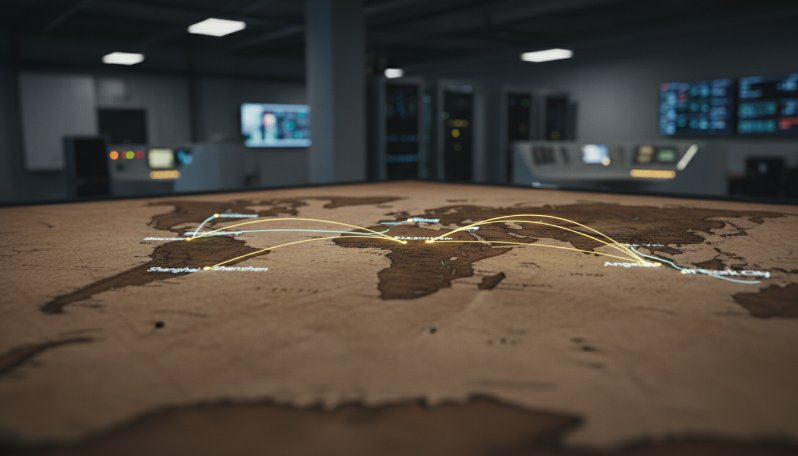
Logistics and Shipping Times: China to US Ports
Shipping logistics are the heartbeat of the import business. Choosing the right entry port can save you thousands in domestic transit costs.
Ocean Freight Lead Times: US West Coast vs East Coast
- US West Coast (LA/Long Beach): Typically 15–20 days on the water. Fastest and cheapest for China imports.
- US East Coast (NY/Savannah): Typically 30–40 days via the Panama Canal. Better for businesses located in the Northeast or Midwest.
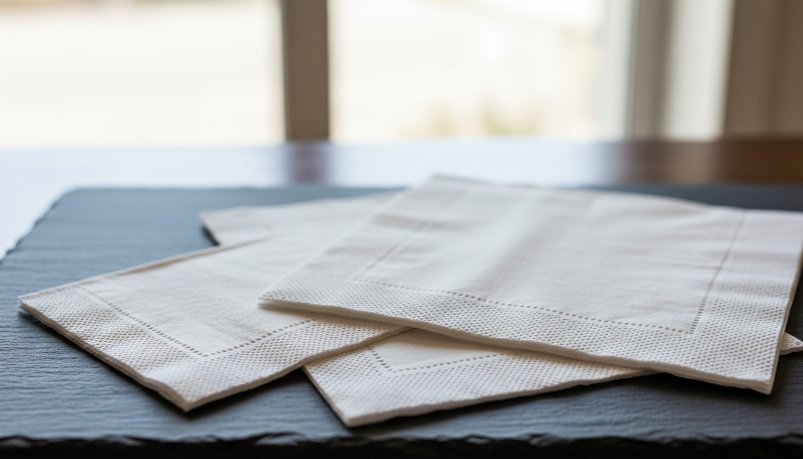
Data Specs: US Standard Paper Napkin Specifications Table
| Napkin Type | Unfolded Size (Inches) | Folded Size (Inches) | Common Ply | Primary Use |
|---|---|---|---|---|
| Beverage/Cocktail | 10" x 10" | 5" x 5" | 2-ply or 3-ply | Bars, Parties |
| Lunch Napkin | 12" x 12" | 6.5" x 6.5" | 1-ply or 2-ply | Fast Food, Cafes |
| Dinner Napkin | 15" x 17" | 7.5" x 8.5" | 2-ply or 3-ply | Fine Dining |
| Dispenser Napkin | 12" x 13" | 6.5" x 5" | 1-ply | High-traffic venues |
Custom Printing and Private Labeling for US Brands
One of the biggest advantages of sourcing from China is the ease of Private Labeling. Most manufacturers offer low MOQs (Minimum Order Quantities) for custom-printed logos. Using CMYK or Pantone matching, you can create branded napkins that enhance the customer experience for US restaurant chains or event planners.


 Email
Email